
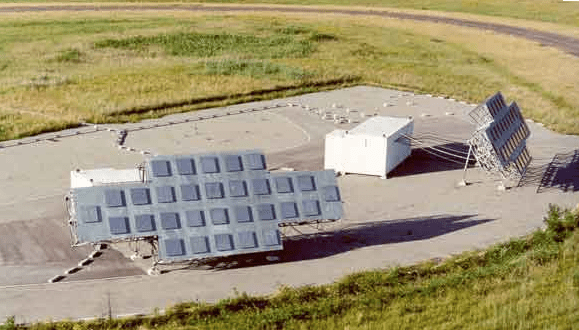
The French parliament recently had a hearing of the French Joint Commander for Space, and since I found it interesting, here is a quick summary as well as an English translation.

The French parliament recently had a hearing of the French Joint Commander for Space, and since I found it interesting, here is a quick summary as well as an English translation.
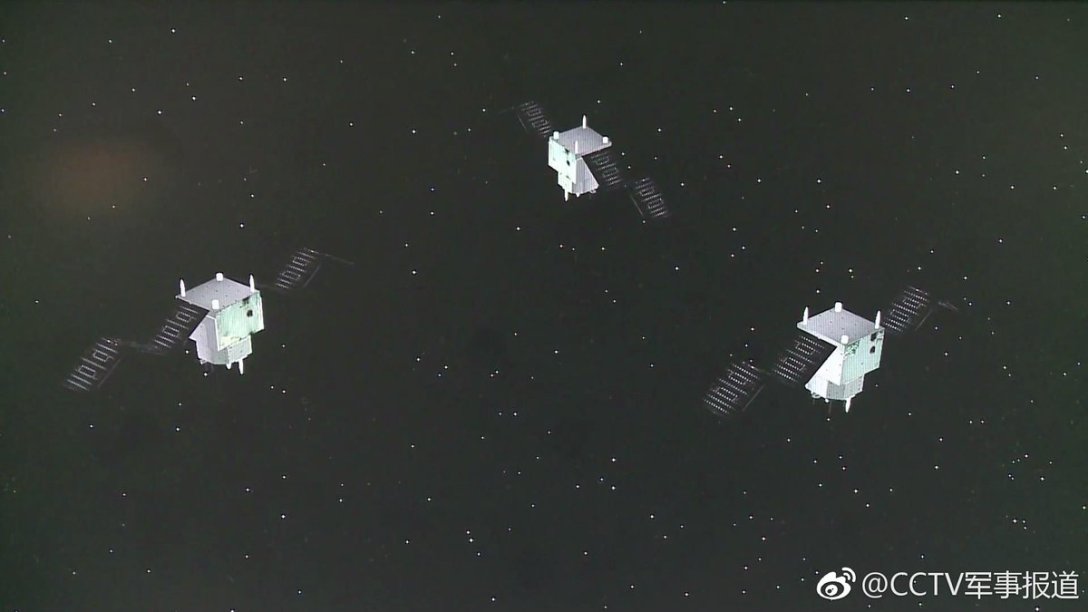
China is launching mysterious trios of spy satellites. What are they doing once in orbit?
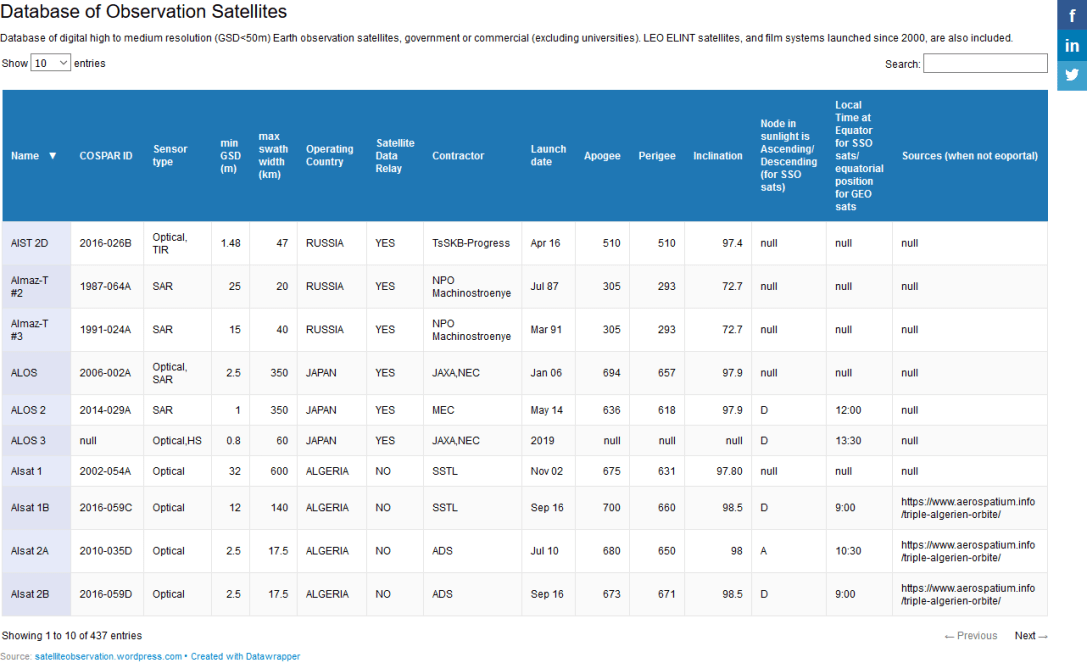
A database of digital high to medium resolution (GSD<50m) Earth observation satellites, government or commercial (excluding universities). LEO ELINT satellites, and film systems launched since 2000, are also included.
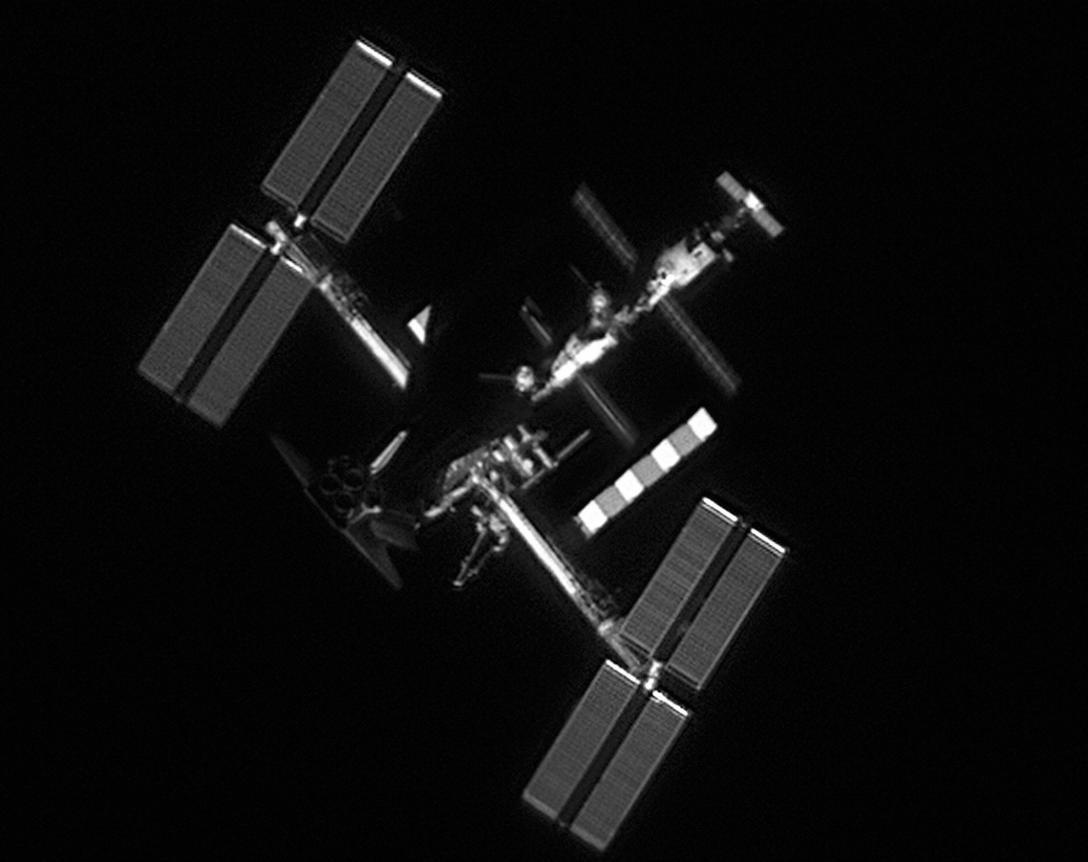
Let's look at how artificial satellites can be seen and imaged.
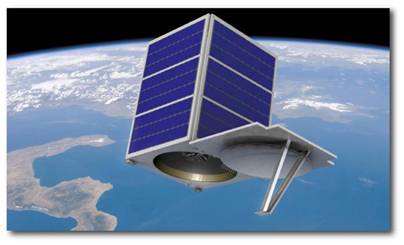
In the article on Persistent Surveillance, I described the options for keeping a constant, 24/7 watch on a location though the use of high-altitude satellites. Those options are all expensive and technically risky. However, as hinted at in the article, there is a more straightforward way to achieve same goal, or at least to come… Continue reading Smallsat constellations

German media recently reported the country will procure a new high-resolution optical satellite. According to the press, this satellite will be operated by the BND, Germany's foreign intelligence service. Such a purchase breaks from the German tradition of operating only radar satellites, under the control of the military, and thus marks an unexpected shift in… Continue reading A new German space policy?

France currently has a vigorous earth observation industry, which captures a large part of the export market for reconnaissance satellites. It has not always been this way: contrary to the USA or the USSR, France has never had film-return optical satellites, and orbited its own space reconnaissance systems roughly 30 years later than them. In… Continue reading History of the French reconnaissance system
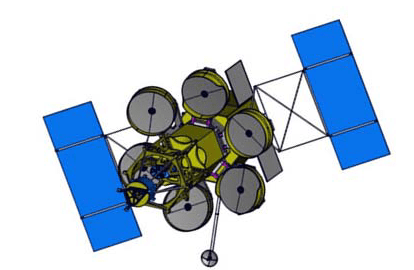
The future of Earth observation, Part III This post is a part of a series on the future of earth observation, and is a follow up to The Future of Optical Earth Observation I: The road so far and The Future of Earth Observation II: What do users really want, anyway? Originally, satellite imagery consisted of… Continue reading Persistent Surveillance
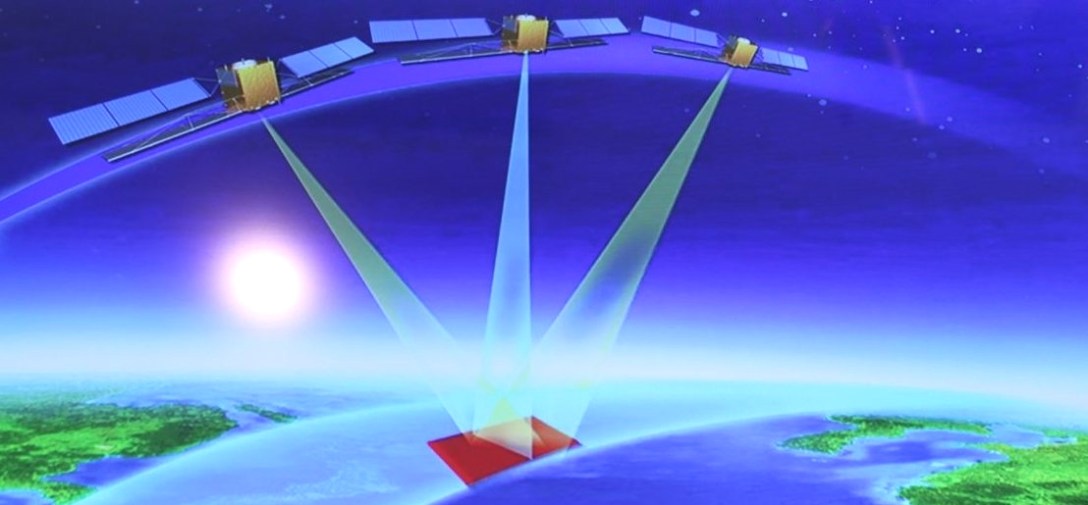
An analysis of the Chinese reconnaissance satellites, and their maritime surveillance capabilities This article initially appeared on eastpendulum.com, a French-language blog about the Chinese military and aerospace industry Historical context Ever since the Communist Party conquered mainland China in 1949, the island of Taiwan has been a source of tension in the region. The defeated… Continue reading The Chinese maritime surveillance system
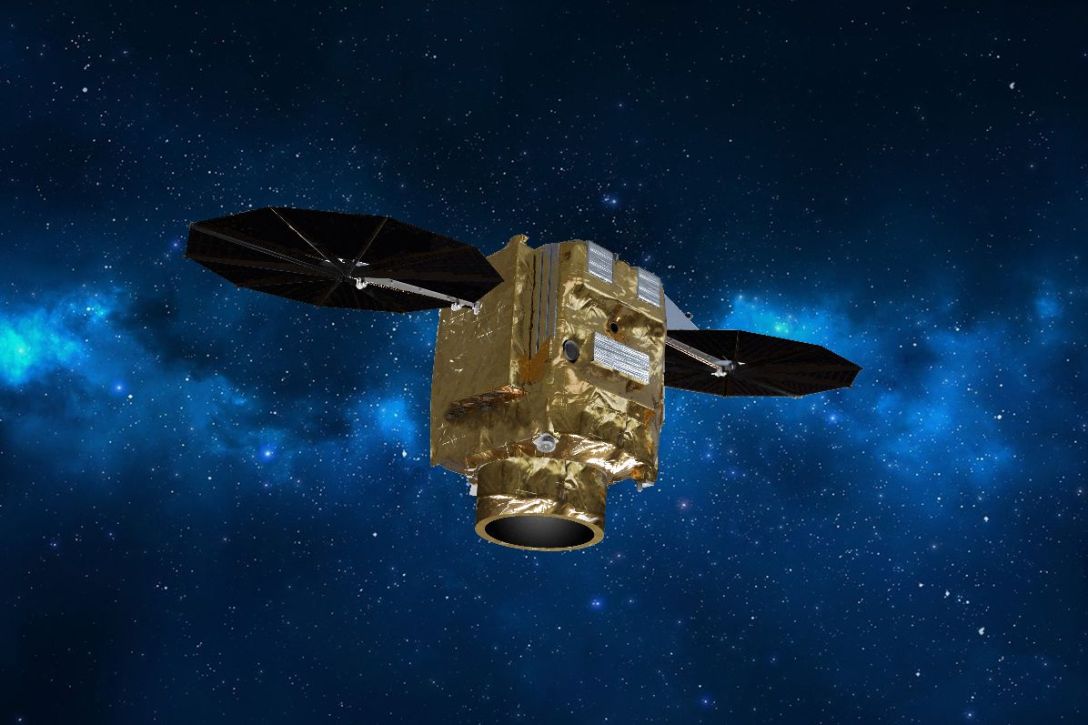
Airbus will launch two pairs of optical satellites, one in 2020 and one in 2021, to form a constellation with two orbital planes enabling two revisits per day. The satellites will have a 30cm resolution, a 14km swath, and orbit at 620km altitude. They will leverage the EDRS data relay satellites for ultra-fast tasking and… Continue reading Pleiades NEO, the Airbus Very High Resolution constellation
 SatelliteObservation.net